





























































































168 Hours Weekly Online  
Friday, September 3, 2010


EUROPEAN WINDOW
Print Edition


EUROPEAN WINDOW

June 19, 2010

The goal of the European Window series of articles published by 168 Hours newspaper and www.168.am web site is to provide Armenian readers detailed and understandable information concerning the process of European integration, the European institutions involved in this process as well as the political and civic life in Europe. The European Window series of articles also covers information concerning the European Neighborhood Policy Instrument (ENPI) and the projects to be implemented in Armenia in its frame . The European Window also serves as a platform for opinions and viewpoints concerning all aspects of interaction between Armenia and the EU.   This supplement has been produced with the assistance of the European Commission. The content of this supplement is the sole responsibility of “168 Hours” Newspaper and can in no way be taken to reflect the views of the European Union...

Editorial

June 19, 2010

With this edition the 168 Hours is finishing the series of articles under the title “European Window”, which was published in cooperation with Internews non-governmental organization and in financial support of the European Commission in the framework of a large information project within the “European Neighborhood Project”. During the past 15 moths we have tried to present the relations between Armenia and the European Union in the publications of the European Window, namely the process of the European Neighborhood Policy, achievements, shortcomings and prospects. The topics of the European Window will not finish with the termination of these publications and we are open for any discussions and debates on these topics....

Interest toward South Caucasus is growing

June 19, 2010

- Mr. Simons, the Eastern Partnership project was launched in May 2009. What do you think about the project implementation during the past year, what achievements and failures have there been? - The main achievement of the eastern Partnership project in Armenia is the EU’s decision adopted in the beginning of May to start negotiations with Armenia on July 19 for the purpose of making an associated agreement between the two sides. This agreement will deepen the cooperation between Armenia and the EU. As soon as Armenia fulfills the preconditions, it will be possible to start negotiating on the establishment of a deeper and larger free trade zone. The free trade agreement will open the doors of the European markets for Armenian goods. The other component according to this agreement is the free movement right for people through easier provision of entry visas. Armenia has participated in various meetings of experts. It helped the participant countries to get more experience, and activated the contact between...

“Our perception is different than the perception of Europeans”

June 19, 2010

- The Eastern Partnership project was launched in May 2009. What do you think about the project implementation during the past year, what achievements and failures have there been? What actions have been done to support the enlargement of future cooperation? - Armenia has numerously announced about its commitment to develop future cooperation with the European Union in consideration with the declaration of Prague, which is done through concrete steps. There is an intensive dialogue at the highest level, and the president of Armenia visited Brussels as well and met with the heads of the EU and talked about the cooperation with Armenia. High rank officials from the EU visited Armenia as well. In the framework of the Eastern Partnership there have been two unofficial meetings of foreign affairs ministers, during which Armenia presented its approaches and opinions about the future development of cooperation. Issues concerning cooperation are periodically discussed during bilateral meetings with the heads of EU countries....

Europe is a good example for everyone

Marine MARTIROSYAN | June 19, 2010

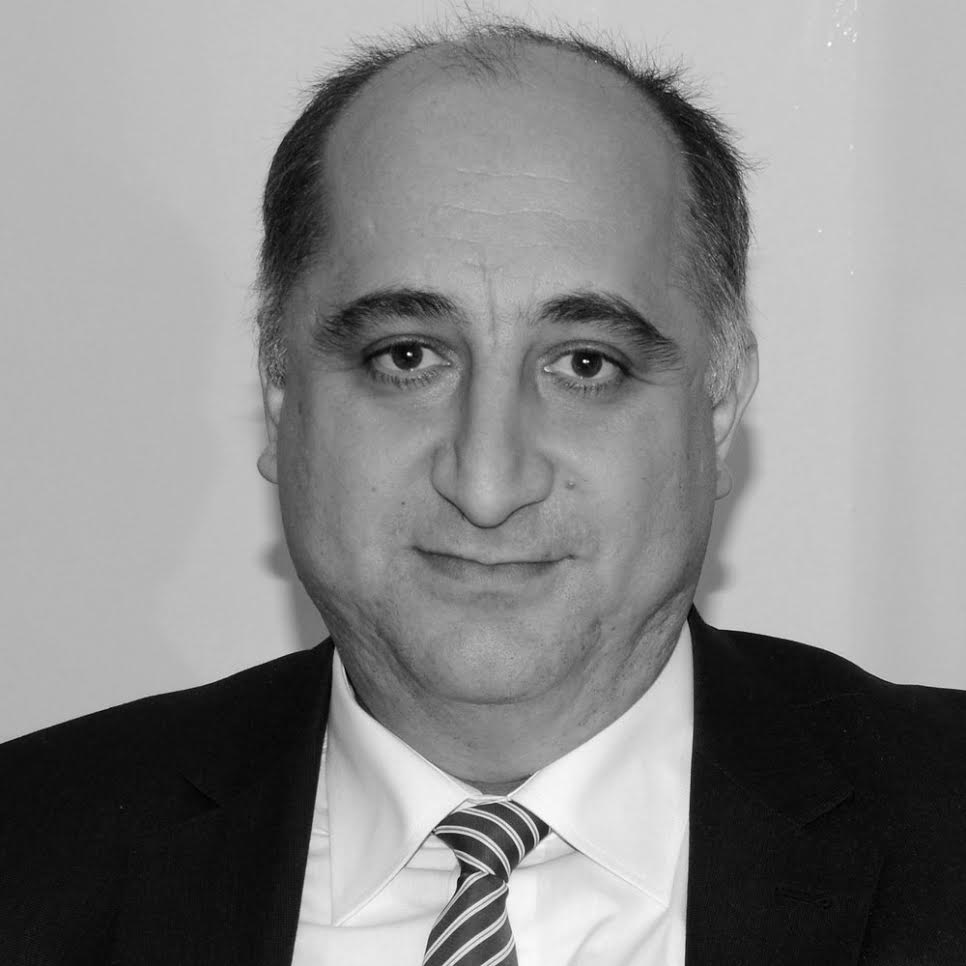
The director of the CIS representation of Grand Thornton International audit and consultative company Armen Pinarbasi and critic of arts Nazareth Karoyan answer our questions about the Armenia-EU relations. - During the past years the programs of Armenia and discussions aimed at European integration have become quite active during the recent years. The New Neighborhood Policy and the Eastern Partnership program are in action. How do you estimate this process? A.P. Let me review the question on the platform of the CIS states. Unlike a range of CIS states, such as Kazakhstan, Ukraine, Georgia, Armenia is a step forward. I think one of the advantages of Armenia is that it has a big Diaspora. One of the main signals of Armenia’s development is the EU and World Bank support. The implementation of various EU projects has been a huge support and help for Armenia’s development. It is rejoicing that these projects are still continuing. We should also notice that Armenia is able to correctly organize the...


Archive


Facts and figures

June 19, 2010

1996 – The European Union and Armenia signed an agreement on Partnership and Cooperation, which was enforced in 1999 2006 – Adoption of EU-Armenia action plan 2009 – The EU advisory group started working in Armenia (sponsored by the European Union) to support the authorities of Armenia in the implementation of the main provisions of the ENP Action Plan 2009 – Through the Tool of Neighborhood Investment technical support worth of 14.6 million Euros was provided (grant program) for 2 projects in the sector of transport. Armenia is eligible to receive more 24 million Euros for three regional projects in the sectors of Energy and finance. 2007-2010 – The financial support of the ENP to Armenia covered 98.4 million Euros. 2011-2013 – For this period the Committee announced about providing support of 157.3 million Euros to Armenia....

Economic integration and trade

June 19, 2010

As a result of the economic crisis the economy of Armenia slumped by 14%. The European Union decided to provide macro-financial support to Armenia consisting of 65 million Euro credit and 35 million Euro grant. As a result of the crisis the trade circulation between Armenia and the EU fell down significantly as well. The import from Europe to Armenia decreased by 20.6%, and the export – by 49.3%. However the EU continues to be the biggest trade partner for Armenia, and the trade circulation with the EU covers the 35% of the entire circulation. In trade relations with Europe Armenia is enjoying the benefits of GSP+ regime (Generalized System of Preferences). But Armenia may make one more step forward by signing a deep and comprehensive free trade associated agreement, which will open the doors of the European markets for the Armenian exporters....

EU-Armenia policy

June 19, 2010

The European Neighborhood policy manages the relations between the European Union and Armenia. In 2009 the EU initiated the Eastern Partnership Program, which is the Eastern project of the EU Neighborhood policy. The Eastern Partnership Program aims to fortify the EU relations with the neighboring 6 countries via the following methods: -bilateral direction, among the goals of which are the adoption of the associated contract on free, in-depth and compound trade (when Armenia will conform to the standards and will suffice the requirements) as well as facilitation of the movement of nations and visa regulations. -multilateral direction, which includes, for instance, the formation of intergovernmental platforms. This approach enables to reach a more perfect and full political cooperation and deep economic integration....

Toward the European standards

May 27, 2010

During the official visit to the Republic of Belgium the president of Armenia Serzh Sargsyan met with Karl De Gucht, European Commissioner for Development and Humanitarian Aid. They discussed issues concerning the agreement on deep and common trade with the EU. Serzh Sargsyan said that this agreement is highly important for Armenia as the EU is one of the largest trade partners of Armenia. He also said that being a member of the World Trade Organization in 2003 Armenia made significant reforms in the sector of trade, as well as made efforts to comply with the standards of the European Union. “We understand that the process of the agreement is difficult and requires time, and we are expecting your participation to reach results,” he said....

New Service

April 29, 2010

During the meeting of the foreign affairs ministers of 27 EU countries several days ago a decision was made to establish an EU diplomatic service. The necessity of making changes in the foreign policy tactics of the EU is anticipated by the Lisbon agreement via reforms. This work will be coordinated by the commissioner of security and foreign ties of the EU Catherine Ashton. “Indeed, Europe should have its own representation in the foreign politics sector as this will allow us be represented the way the 21st century demands,” stated Ashton and added, “The new service in the structural aspect will resemble the already existing European institutes. The service will conduct a joint and consistent policy in the relations with the outside world.” Let us mention that the diplomatic service will consist of central directorship and international employees and will unite maximum 5 people. The service will include diplomats from EU states, who work in the European Commission....